
The Anonymous Source Who Called a Vice President 'I'
It's no wonder Americans are fed up with beltway news coverage.

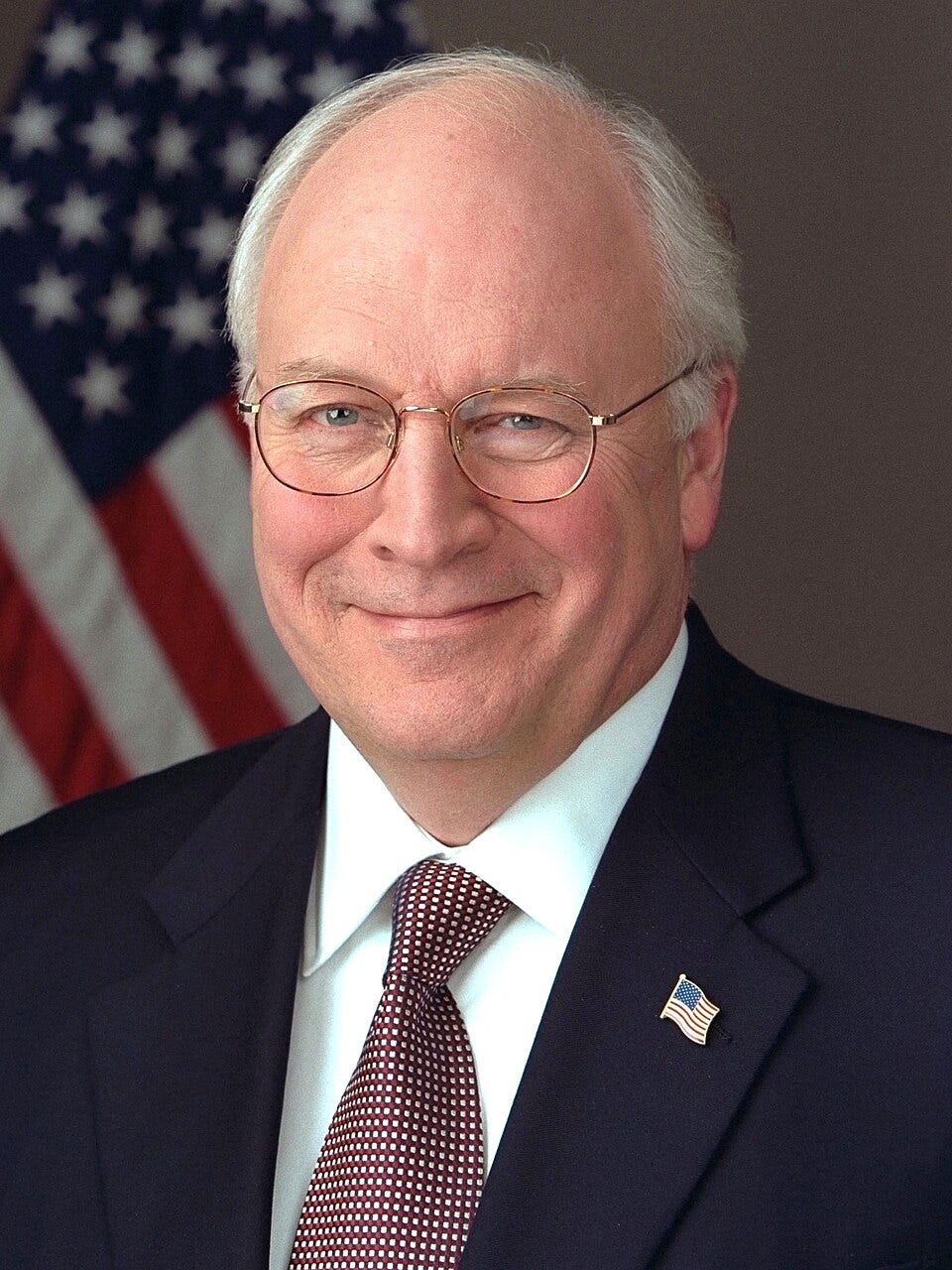
If there’s one story that best summarizes the preposterous gamesmanship of inside-the-beltway DC political coverage, it may be the tale of the “senior administration official” who referred to then-Vice President Dick Cheney as “I.”
That’s in the latest episode, along with:
The largest ever chasm between the media and reality
NPR and the AP break their own alleged rules
A father who threatened to kill his son for being gay
A hopeful development in global politics
and more.

Anonymity is everywhere
In 2007, the White House released a transcript of a conversation with reporters that took place on Cheney’s plane. In the transcript, the unnamed “official” offered up these quotes:
“I’ve seen some press reporting says, ‘Cheney went in to beat up on them, threaten them.’ That’s not the way I work. I don’t know who writes that, or maybe somebody gets it from some source who doesn’t know what I’m doing, or isn’t involved in it. But the idea that I’d go in and threaten someone is an invalid misreading of the way I do business.”
When the George W. Bush White House was asked about this, it insisted it was keeping those quotes as being from a “senior administration official.” The transcript is still available online.
If only things had gotten better since then. Instead, the media has become more of an open mic night, even for anonymous people to make all kinds of claims. It’s rarely clear who the person is, so no one can be held responsible if those claims turn out to be lies.
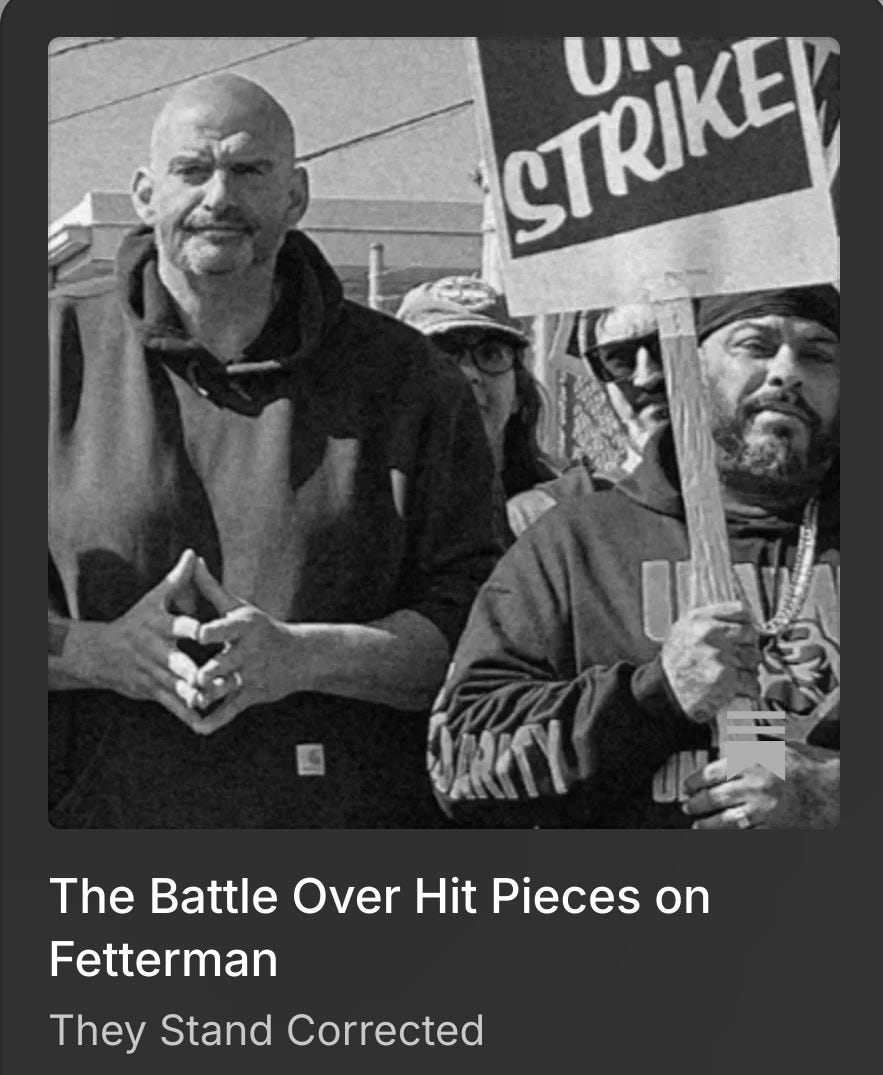
Take the hit pieces on Sen. John Fetterman, for example, filled with anonymous claims about his mental health. (Episode 57.)
‘Rules’ that aren’t
The Associated Press, probably the most impactful U.S. news agency, claims its
”bar against anonymous comment is set high.” It also says its reports must “provide as specific as possible a description of the source” and, “when relevant, describe the source’s motive for disclosing the information.”
A simple look at AP stories shows that’s not the case. They’re filled with “officials” who could be in just about any part of the massive federal workforce. And motives are tough to find. Sometimes the AP says the person is speaking “on condition of anonymity in line with regulations.” Which regulations justify anonymity? Here’s an article saying someone spoke “on condition of anonymity to discuss the information.” That’s not a motivation; it’s just what the person is doing.
NPR, meanwhile, published a piece last year making this promise: “One thing that our readers and listeners won’t find in an NPR story is pseudonyms, because those are made up and we want to report only facts.” The same promise is in the network’s “Ethics Handbook.”
But NPR does use pseudonyms. Why do news agencies lie about their own activities? There are times when it’s OK to use these. Here’s a recent NPR interview in which the speaker, an alleged spy-turned-author, was identified only by a pseudonym. And here’s a previous example:
“Liam’s not his real name. We’re using it because his sexuality could put his family in danger. Azerbaijan, where he grew up, is a predominantly Muslim country that used to be a part of the Soviet Union. It’s a conservative, authoritarian state. Even though homosexuality was legalized a couple decades ago, honor killings still happen there. And a few years ago, the Azerbaijani police carried out a series of raids against LGBTQ plus people.”
The report says gay people get turned in by people whom they thought were friends, and this man’s own father threatened to kill him.
News agencies’ “rules” aren’t rules. They’re claims that the bosses hope no one will fact-check.
Anonymous sourcing should be very rare in the news. It isn’t. In a previous episode, I told you about a study from the Washington Institute that found the media was letting people in Gaza say anything they wanted anonymously.
All this helps explain something I wrote about for The Contrarian: why the anonymous warnings about FBI Director Kash Patel’s fitness may fall on deaf ears.
The media needs to do the hard work of earning people’s trust. Handing out anonymity like candy on Halloween only helps to shred any remaining vestiges of that faith.
Supporters: What examples have you seen of anonymous sourcing causing problems? Share through the links below.